













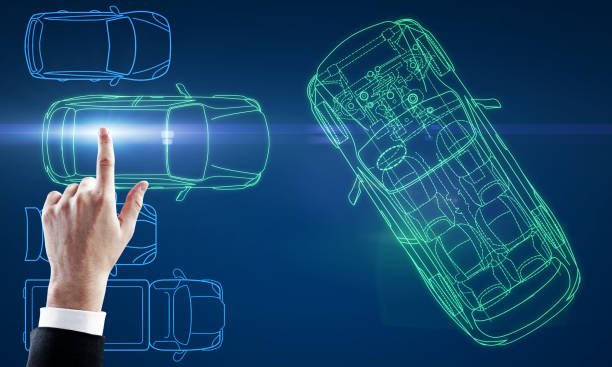
The automotive industry is undergoing its most significant transformation since the invention of the assembly line. Driven by technological innovation, environmental concerns, and shifting consumer behaviors, the sector is evolving at a breakneck pace. Here are the key trends currently shaping the future of the automotive industry.
1. Electrification of Vehicles (EVs)
The shift from internal combustion engines to electric vehicles (EVs) is the most dominant trend. With governments worldwide setting ambitious targets to phase out fossil fuel vehicles, major automakers are investing billions into EV development. Advances in battery technology are leading to longer ranges, faster charging times, and lower costs, making EVs more accessible to the average consumer.
2. Autonomous Driving (ADAS)
Self-driving technology is progressing rapidly. While fully autonomous vehicles (Level 5) are still on the horizon, Advanced Driver-Assistance Systems (ADAS) are becoming standard. Features like adaptive cruise control, lane-keeping assist, and automated parking are enhancing safety and paving the way for a future where vehicles handle the majority of driving tasks.
3. Connectivity and the Software-Defined Vehicle
Modern cars are becoming “smartphones on wheels.” With the advent of 5G, vehicles are increasingly connected to the internet, other vehicles (V2V), and infrastructure (V2X). This connectivity enables over-the-air (OTA) software updates, real-time traffic navigation, remote diagnostics, and in-car entertainment services, transforming the car into a platform for continuous improvement.
4. Sustainability and the Circular Economy
Beyond just tailpipe emissions, the industry is focusing on the entire lifecycle of a vehicle. Automakers are adopting sustainable manufacturing processes, using recycled and eco-friendly materials for interiors, and developing battery recycling programs to reduce environmental impact and create a circular economy.
5. Shared Mobility and Changing Ownership Models
Consumer attitudes toward car ownership are evolving, particularly in urban areas. The rise of ride-sharing, car-subscription services, and micro-mobility options is changing how people access transportation. This trend pushes automakers to explore new business models beyond the traditional one-time sale.
6. Artificial Intelligence (AI) in Manufacturing and Design
AI is revolutionizing how cars are built and designed. On the factory floor, AI-powered robots and predictive maintenance improve efficiency and reduce downtime. In design, generative algorithms can create thousands of design variations based on specific parameters, helping engineers optimize for aerodynamics, weight, and safety.
7. Supply Chain Resilience and Nearshoring
The global chip shortage and geopolitical issues have exposed the fragility of automotive supply chains. In response, manufacturers are diversifying suppliers, increasing inventory buffers, and bringing production closer to their assembly plants (nearshoring) to mitigate future disruptions.
Conclusion
The automotive industry is not just building cars; it is engineering the future of mobility. By embracing electrification, autonomy, connectivity, and sustainability, the industry is poised to create a safer, cleaner, and more efficient transportation ecosystem for generations to come.